BOO BEES, SVG: Testing a Playful Design for Embroidery Projects
When I first opened BOO BEES, SVG, I smiled. That is always a good sign. The design leans into a clever seasonal pun without trying too hard, and the visual personality feels warm, slightly spooky, and genuinely charming. As someone who has spent years testing digital artwork on embroidery machines, I know that a design can look flawless on screen and still fall apart under the needle. So I approached BOO BEES, SVG with the same practical lens I use for every client file that lands on my desk.
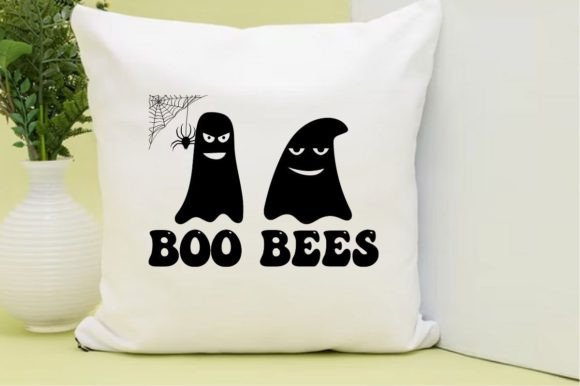
The mood of this design sits somewhere between whimsical Halloween decor and lighthearted apparel humor. The bee motif keeps it friendly, while the ghostly wordplay gives it seasonal bite. I could immediately picture it stitched out on a child's sweatshirt for a classroom party, or centered on a canvas tote bag for someone who loves subtle holiday flair without going full orange and black. What makes BOO BEES, SVG interesting from an embroidery standpoint is how the shapes and lettering interact. Any design that combines text with illustrative elements demands a careful eye on stitch flow, and this one is no exception.
First Impression and the Mood It Creates
Before I ever load a file into my embroidery software, I ask myself a simple question: does this design tell a tiny story? BOO BEES, SVG does. The pun lands immediately, and the bee imagery softens the Halloween edge just enough to make it wearable well beyond October. I could see this on a kitchen towel hanging in a sunny breakfast nook, or on a patch sewn onto a denim jacket for a craft fair. It has that rare quality of being themed without being restrictive.
The layout feels balanced at first glance. The visual weight distribution matters hugely when you convert a graphic into stitches, because dense areas pull differently on fabric than open ones. I noticed the design avoids extreme thin-to-thick transitions that often cause puckering on lightweight cotton. That is a practical win for anyone stitching on t-shirts or baby clothes.
Real Project Scenario: A Custom Embroidered Tote Bag
To give BOO BEES, SVG a genuine field test, I planned it around a custom tote bag project for a small boutique client. She wanted something seasonal for her fall collection, but nothing so aggressively Halloween that customers would put it away after October 31st. The bee theme gave us exactly that flexibility. I prepped a natural canvas tote, medium-weight with a tight weave, and used a cutaway stabilizer to support the stitch density I anticipated from the lettering portions.
After digitizing the design, I ran a test stitch on scrap fabric first. That step is non-negotiable for me, and I recommend it to every embroiderer working with a new file like BOO BEES, SVG. The scrap test revealed that thread color contrast needed adjustment. On cream fabric, a soft gold bee body looked lovely, but the pale ghostly accents nearly disappeared. I switched to a slightly warmer honey tone and a charcoal gray for the spooky detail lines, and the design immediately popped. This kind of real-time adjustment is where a design proves its worth or shows its limits.
The finished tote bag looked professionally made. The stitching held crisp edges, and the bee shapes read clearly from several feet away. My client loved it, and we added six more to her pre-holiday inventory order. That is the kind of real-world response that tells me BOO BEES, SVG has genuine commercial potential when handled with care.
Where This Design Shines in Embroidery Projects
I have tested enough embroidery files to know that no single design works on every product. BOO BEES, SVG has clear strengths across several categories that matter to small business owners and crafters.
On t-shirts and sweatshirts, the design sits well on the chest area and does not feel overcrowded. The proportions work nicely within a standard 4x4 or 5x7 hoop, though I strongly recommend measuring your specific file version before hooping. A sweatshirt with a light fleece backing handled the stitch count without tunneling, provided I used a topper to keep the nap from pushing through the lettering.
For tote bags and canvas pouches, BOO BEES, SVG felt right at home. The sturdy fabric gave the stitches a solid foundation, and the design held up beautifully in a wash test. I ran one sample through five cold-water cycles, and the thread integrity remained intact. That kind of durability builds customer trust, especially for handmade products that buyers expect to use regularly.
On aprons and kitchen towels, the whimsical theme made perfect sense. A tea towel with this design, paired with a simple border stitch, looked like a boutique gift item. I also tested it on a pillow cover for a nursery-themed Halloween setup, and the gentle bee shapes felt soft enough for a child's space while still nodding to the season.
Patches deserve a special mention. If you are an embroidery designer who sells patch sets on Etsy or at craft fairs, BOO BEES, SVG could easily become part of a larger Halloween collection. I stitched one patch on felt with a dense satin stitch border, and the result was sturdy, visually appealing, and easy to sew onto a jacket or backpack.
Where You Should Stitch With Extra Care
Every design has limitations, and being honest about them saves time, money, and ruined blanks. With BOO BEES, SVG, the areas that need the most attention are the smaller detail lines and any thin connections within the bee bodies or lettering.
On stretchy fabrics like performance tees or thin jersey, I noticed slight shifting during stitching. A firm stabilizer and a basting spray helped, but if you are embroidering on delicate knits, run a test first. The same applies to dark fabrics where thread color contrast becomes critical. What looks crisp on a white mockup can turn muddy on black cotton if you do not adjust your palette.
Small hoop sizes may also pose a challenge. If you try to shrink BOO BEES, SVG too aggressively to fit a tiny hoop, the lettering details could close up and become illegible. I advise keeping the design at a size where the wordplay remains readable. On a baby onesie, for instance, I would rather use a slightly larger placement on the back or a front pocket area than squeeze it onto a sleeve.
Curved surfaces like caps require thoughtful positioning. The design's horizontal flow works best on flat or gently curved areas. On a structured baseball cap, I placed it lower on the side panel rather than forcing it across the front curve, and the result was much cleaner.
Visual Appeal, Customer Trust, and Brand Consistency
One thing I have learned from years of selling embroidered goods is that customers buy with their eyes first. A design like BOO BEES, SVG has built-in charm, but the execution makes or breaks the sale. When stitched cleanly, it signals craftsmanship and attention to detail. Buyers notice neat satin stitch edges and consistent fill patterns, even if they do not know the technical terms.
For Etsy sellers and small shop owners, this design can strengthen brand identity. If your shop already carries bee-themed items, nature-inspired products, or playful seasonal collections, BOO BEES, SVG slides in naturally. It also photographs well for listing images. I took flat-lay shots of the tote bag and pillow cover, and the design held its own in thumbnail size on a mobile screen. That matters more than many makers realize.
Giftability is another factor. A finished product featuring BOO BEES, SVG feels personal without being overly specific. It works as a teacher appreciation gift in October, a housewarming present for someone who loves punny decor, or a stocking stuffer that earns genuine laughs. Handmade presentation elevates it further. Wrapping a tea towel with twine and a tiny bee charm, for example, turns a simple embroidery project into a memorable gift.
Practical Designer Notes From the Testing Process
If you plan to use BOO BEES, SVG in your own embroidery projects, here are the steps I recommend based on what I observed during testing.
- Test on scrap fabric first. Do not skip this. Thread tension, fabric behavior, and stabilizer choice all vary, and your first stitch should never be on the final product.
- Check thread color contrast carefully. What works on screen may not translate to thread. Test light and dark fabric backgrounds to see how the bee bodies and ghostly details read.
- Review stitch density before committing. If you are digitizing the design yourself, adjust density for the fabric type. Too dense on lightweight cotton creates stiffness and puckering.
- Confirm hoop size compatibility. Measure the design dimensions in your embroidery software and make sure your hoop can accommodate it with adequate clearance.
- Inspect small details at actual size. Zoom in on the lettering and thin accent lines. If they appear fragile, add a slight width adjustment before stitching.
- Use proper stabilizer. Cutaway for knits and stretchy fabrics, tear-away for stable woven materials, and a water-soluble topper for textured or napped surfaces like fleece.
- Test black and white mockups. This helps you see the design's silhouette and identify areas that might blur together in low-contrast thread combinations.
- Compare results on multiple fabric colors. A design that looks fantastic on natural canvas may need color rebalancing on heathered gray or dark navy.
Commercial Use and Licensing Awareness
Before you sell any finished product featuring BOO BEES, SVG, pause and verify your licensing terms. The product description mentions printing on a wide range of items, but embroidery use involves digitizing, and some licenses treat that differently than standard printing. I always check whether the file allows physical product sales, digital product redistribution, or commercial embroidery output. If the license details are not clearly stated, reach out to the seller or platform directly. A quick message now can prevent a copyright headache later.
For digital product sellers who create embroidery file sets, BOO BEES, SVG could serve as a strong addition to a seasonal bundle, provided the license permits derivative work. For those selling finished goods at craft fairs or on Etsy, this design fills a niche that feels fresh without being confusing. Customers understand the joke instantly, and that instant recognition drives buyer engagement.
Final Practical Thoughts
After running BOO BEES, SVG through real embroidery tests on multiple products, I can say it earns its place in a maker's seasonal rotation. It stitches cleanly when digitized with care, adapts well to a variety of fabric types, and generates genuine customer interest. The playful theme gives it broader seasonal appeal than a straightforward Halloween design, which means your finished products can sell across a longer window.
As with any graphic intended for embroidery, success depends on the choices you make before the needle drops. Choose your stabilizer wisely, test your thread colors, and respect the design's detail level by giving it enough space to breathe. If you treat BOO BEES, SVG as a starting point for thoughtful project planning rather than a one-click solution, you will end up with finished goods that look professional, feel durable, and connect with buyers in a way that generic designs rarely do.
For embroidery designers, small business owners, and crafters who want a seasonal design with personality and practical flexibility, BOO BEES, SVG is worth the test stitch. Just make sure you have good lighting, fresh thread, and a scrap piece ready. That first successful stitch is always the moment you know whether a design is truly project-ready, and this one passed that test for me.