Flower Streetwear T-shirt Design Review for Graphics Sellers
When I unzipped the Flower Streetwear T-shirt Design bundle, I had a very specific scenario in mind: a new summer drop for a print-on-demand shop I’m quietly testing. I’ve learned over the years that before I ever commit to listing a graphics asset, I need to picture it on at least three different products — a black hoodie, a cream tote bag, and a phone case — while scrolling through marketplace search results at thumbnail size. This bundle immediately triggered that product-testing instinct.
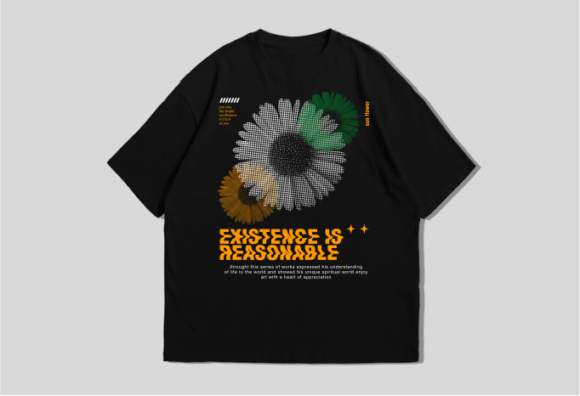
What I found wasn't a delicate botanical illustration. It’s an urban reinterpretation of floral motifs, closer to pop art streetwear than soft botanical. The visual personality pulls from comic book outlining, slightly gritty textures, and cartoon exaggeration. Flowers are rendered with bold outlines and splashes of high-contrast color, often with a cheeky, almost graffiti-like attitude. This is not your garden-variety rose. It’s a graphic that would feel right at home on a skate deck, a rave flyer, or the back of a distressed denim jacket.
From a digital seller’s perspective, this puts the asset squarely in the streetwear, youth culture, and alternative fashion niche. It will naturally attract buyers who run small clothing brands, pop-up merchandise lines, festival gear shops, and even sticker packs for laptop artists. The mood is playful yet edgy, with a clear nod to early 2000s cartoon illustration and the current resurgence of Y2K pop aesthetics. I’d tag it with terms like cartoon illustration, pop art graphic, trendy t-shirt designs, urban streetwear vector bundle — exactly the kind of long-tail phrases that bring in buyers who know what they want but enjoy browsing fresh interpretations.
Why This Design Caught My Attention for a Commercial Product Line
I’m not looking for pretty pictures. I need designs that sell finished products. This bundle immediately felt like a shortcut for building a coherent, recognizable mini-collection. Because the flower theme repeats across several design variations — all sharing the same urban cartoon DNA — I could see grouping them into a “Rebel Bloom” capsule. Cohesion like that increases perceived value in an Etsy or Shopify listing. Instead of selling one graphic on ten shirts, I can present a unified series across apparel, accessories, and even digital download wall art.
I ran a quick mental mockup test. On a white t-shirt, the colors pop with almost sticker-like clarity. On a dark background, the bold outlines hold their own, though I’d immediately check that any subtle inner shadows don’t disappear. The design sits comfortably in the “graphic tee” sweet spot: it’s detailed enough to feel intentional, but not so complex that it loses impact when printed on a cotton surface via DTG or sublimation. For a PNG design sold as a digital download, this matters. I always remind sellers that fantastic detail on a screen can become muddy on fabric if not stress-tested.
Practical Ways I’d Deploy This T-Shirt Graphics Asset
Once I’ve verified resolution and transparency, I’d start layering this into multiple product categories. Print-on-demand t-shirts are the obvious foundation, but the real profit often hides in adjacent products. Here’s exactly how I’d map it:
- Apparel and merchandise: Crewneck sweatshirts, cropped hoodies, dad caps, and unisex tees. The streetwear vibe pairs seamlessly with street fashion templates, and I can already picture the flower graphic combined with bold sans-serif slogans or Japanese-style typography.
- Accessories and home goods: Tote bags, laptop sleeves, enamel pin mockups, and even small accent pillows. The graphic fragment can be cropped tightly into a square for pin designs or circle patches, adding to a sticker pack or printable badge collection.
- Digital downloads for Cricut and Silhouette users: If the package includes a clean SVG with separated layers, crafters will eat this up. They can turn it into iron-on vinyl decals, multi-layer paper toppers, or layered mandala-style cuts. I’d test cut a simple version on cardstock first to confirm that thin outlines don’t tear. Providing a well-grouped SVG file is a huge trust builder in the Cricut community.
- Customizable Canva templates: I’d drop select elements into a trend report-style Instagram post template or a YouTube thumbnail frame. A flower with attitude can push a video cover from generic to memorable, especially for music reaction channels or street fashion blogs.
Adapting the Graphic for Product Presentation and Click-Through Appeal
Even a great design won’t sell if the listing image fails. I tested the primary flower graphic inside a typical Etsy mockup frame — centered on a model wearing a black hoodie. The contrast worked. On a white background, it draws the eye immediately; on a transparent PNG placed over a lifestyle scene, it feels like a real garment print. For a cover image on Creative Fabrica or Creative Market, I’d isolate one highly legible variant and let it dominate the thumbnail. No clutter. This is where many otherwise strong t-shirt designs lose out: they’re squashed into crowded preview tiles that hide the very detail that makes them unique.
If I were bundling this for a seasonal digital download package, I’d use the same graphic in a flat lay mockup, a hanging wall print mockup, and a sticker mockup — all in one preview collage. That visual consistency across product types whispers “professional collection” rather than “scattered asset dump.” When buyers see a design working effortlessly on a mug and a hoodie, their perception of versatility goes up, and so does their likelihood to purchase.
Where the Asset Shines — and Where It Needs Careful Handling
This bundle is built for impact. Large product surfaces, like the back of a denim jacket or a full-front A4 tote bag, will make the most of its comic-book detailing. It also performs well as a central decorative element in digital planner covers and printable greeting cards, provided the recipient is into punk-romantic aesthetics. Social media graphics, particularly Instagram story backgrounds and TikTok thumbnails, can leverage the pop art energy without needing extra embellishment.
However, I’d exercise caution in a few scenarios. First, tiny sticker sheets: some of the designs include delicate internal scribbles that could disappear when shrunk below two inches. I’d test print at 1.5 inches and honestly discard any variant that turns into a blob. Second, Cricut kiss-cut decals: intricate outlines require precise machine calibration; I’d include a note in the product listing recommending test cuts on plain vinyl. Third, text-heavy templates: because the graphic itself has a dominant voice, pairing it with long paragraphs of script font will create chaos. I’d stick to one- or two-word slogans in a chunky sans serif to keep the visual hierarchy intact. Finally, low-resolution sublimation: always confirm that the file is at least 300 DPI at the intended print size. A vector file would be ideal, but if only PNGs are provided, check that the pixel dimensions scale without visible jagged edges on curved outlines.
Selling Smart: My Pre-Listing Checklist Before Publishing Any Product
Before I ever hit “publish” on a listing that uses the Flower Streetwear T-shirt Design, I go through a rigid checklist. I’ll share it here because skipping any one of these steps has cost me returns in the past:
- Mockup stress test: Place the graphic on at least three actual product mockups — one light cotton, one dark fleece, one glossy ceramic mug. Check if the colors remain true and if any edge artifacts appear.
- Thumbnail simulation: Zoom the mockup down to 2 centimeters wide on my phone screen. Can I still tell it’s a flower? Does the composition look interesting or garbled? If I squint and only see a smear, I rearrange.
- Background versatility: Preview on pure white, oatmeal, heather grey, and black. A design that only works on white backgrounds will limit a customer’s print-on-demand choices and increase “not as expected” complaints.
- File organization check: If I’m reselling as a digital bundle, I ensure ZIP folders contain clearly named files, separated by format — SVG in one folder, high-res PNG in another, EPS if available. A chaotic folder structure makes a professionally priced asset feel amateurish.
- Font pairing exploration: I try a bold sans serif like Montserrat ExtraBold, a condensed display font like Bebas Neue, a clean script like Pacifico, and a rough handwritten marker style. For this streetwear flower, the chunky sans serif works beautifully; the delicate script gets lost unless it’s oversized and overlapping the stems for a collage effect.
- Commercial license verification: I read the terms. If the original creator allows physical end-product sales but restricts selling the file as-is on stock sites, I need to honor that. I never assume an asset is “commercial use” without checking the attached license file.
- Color test print: Even with a well-calibrated screen, I print a single copy on my home inkjet onto transfer paper or cardstock. Sometimes the vivid neon turquoise on-screen prints as a muted teal, and I’ll need to warn customers or adjust my mockup’s color grading.
I also think about product description language. Using the graphic feels like a natural companion to phrases like “edgy floral streetwear,” “pop art bloom,” “rebel garden,” or “cartoon flower power.” That wording then feeds into my SEO title, tags, and alt text for the listing. Describing it as an urban streetwear t-shirt design vector bundle gives it context for buyers who want something beyond standard floral clipart.
Piecing Together a Bigger Collection Around the Flower Graphic
Here’s the real magic from a seller’s standpoint: a strong anchor graphic can spawn an entire line of complementary assets. After working with this bundle, I’d likely develop a set of pre-made Canva template scenes — like “Street Bloom Instagram Story Pack” — where the flower is already layered with editable text and sticker frames. I could also extract individual elements as separate clipart files to sell as a smaller, more affordable digital sticker pack on Etsy. Crafters would appreciate PNG overlays with transparent backgrounds sized for Happy Planner or standard journal kits.
For my print-on-demand store, I’d design a series where the flower repeats in different colorways across a six-product collection. That consistency helps with brand identity, a term that sounds corporate but simply means customers recognize my shop’s visual language and trust that a new release will match their taste.
This asset’s pop art cartoon personality also makes it a candidate for limited-edition seasonal releases — think a summer festival capsule or a back-to-school teen bundle. Because it’s more rebellious than a cheerful sunflower, I’d position it for older teens and young adults who are into street fashion, music scenes, and urban subcultures. That targeting narrows my audience, sure, but it increases conversion because the design speaks directly to them instead of trying to please everyone.
Final Real-World Observations From a Seller’s Workbench
I didn’t test this expecting a universal crowd-pleaser, and that’s exactly what makes it valuable. The Flower Streetwear T-shirt Design bundle stands out in a sea of generic rose vectors and minimalist line art. Its cartoon illustration boldness and edgy floral personality give my product listings a clear point of view, which is increasingly the only thing that stops a marketplace scroller. For Etsy sellers building an alternative apparel brand, for Cricut entrepreneurs making unique iron-on patches, and for content creators who need graphic elements that don’t look like stock, this asset pulls its weight.
Just remember: test its edge cases ruthlessly, mock it up as your customer would see it, and always, always audit the commercial license before you sell a single printed tee. If you treat it as the starting point for a cohesive collection rather than a one-off shirt graphic, it has the potential to build a recognizable style that keeps buyers returning to your shop.