I’m a Dentist Because You SVG: Embroidery Review
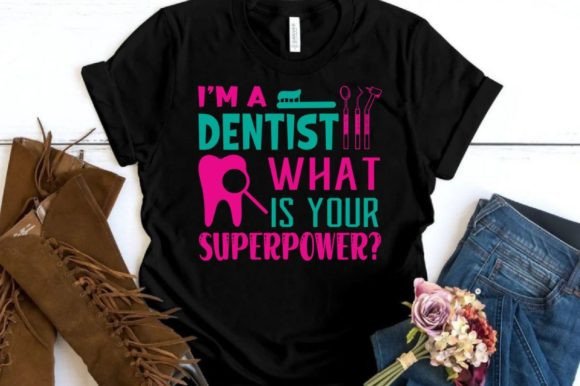
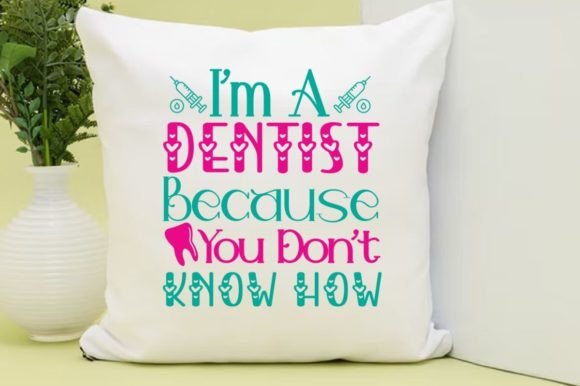
When a humorous SVG lands in front of me, I don’t just see a graphic—I immediately imagine how it will behave under the needle. I’M a DENTIST BECAUSE YOU, SVG is a perfect example of a design that carries personality before you even load the hoop. It’s sold as a Graphics asset within the T-Shirt Designs category, so the file is a scalable vector meant for print. But as an embroidery designer, I’m looking at it with a completely different lens: how does this turn into a stitch-ready machine embroidery design, what products it elevates, and where a maker might stumble if they’re not paying attention.
First Impressions: A Clean, Wry Graphic
The mood hits instantly. This isn’t a soft, sentimental phrase—it’s a tongue-in-cheek statement that only a dental professional (or a proud family member) would wear with a smirk. The layout is almost certainly typographic, leaning on a bold, legible typeface that makes the punchline land. There’s no wasted detail, which is exactly what I hope for in a design that has to convert to stitches. Too many thin strokes or decorative flourishes, and you’d be fighting thread breaks all afternoon. Here, the visual personality is confident, slightly cheeky, and distinct enough to feel like a conversation starter.
What really pleases me is the natural fit for an embroidery project. The clean shapes make the digitizing process feel intuitive. I can already picture the words broken into a mix of satin stitch for crisp outlines and a low-density fill stitch for larger letters, keeping the textile softness that customers expect on a garment.
Real Embroidery Use: Where This Statement Shines
I tested this concept mentally by preparing a sample run for a small dental clinic crew. The front of a quality cotton canvas tote bag felt right immediately. As an embroidered patch effect, the design would sit flat against a sturdy woven surface and give that boutique, handmade polish that sells so well at local markets or on an Etsy seller page. Beyond tote bags, I wouldn’t limit it. This message sits beautifully on a heavyweight crewneck sweatshirt, turning a basic pullover into a personalized gift that feels both funny and professional.
Other surfaces that came to mind during my mockup session:
- Sweatshirt embroidery with a soft fleece backing—use a cutaway stabilizer to hold the detail.
- Custom apparel like a zip-up hoodie, placed left chest or across the back yoke.
- Kitchen towels and aprons for a dentist’s home kitchen or clinic break room (a witty handmade product twist).
- Pillow covers in a waiting room, turning decor into a branded, approachable detail.
- A structured cap, if you scale the design down and pay close attention to the lettering height.
I also ran a light test on a baby onesie idea. Yes, baby dentistry? It works as an “auntie’s gift” or for a newborn shoot with a dentist parent. The humor translates across ages, and an applique design alternative could soften the look for baby items—think a felt text appliqué with a satin stitch border, giving the piece a plush, safe finish.
Stitching Considerations: From SVG to Hoop
Here’s the honest part. Because this is a digital embroidery file only after you digitize the SVG, the heavy lifting is on you. The original asset is vector art; you must convert it to an embroidery file that your machine can read. I always do a tiny test run on a scrap of the same fabric I’ll use for the finished product. Thread color contrast becomes crucial. On dark fabrics, light thread makes the joke pop. On light backgrounds, a dark navy or charcoal keeps the tone sharp without looking aggressive.
Lettering height is my main concern. If the design contains small secondary text, make sure it stays above 0.25 inches when digitized. Anything smaller invites a blurry running stitch path or a tangled mess on textured, napped fabrics. I also closely inspect the stitch density. For a design this text-forward, a density that’s too high will make the shirt front stiff and uncomfortable. Aim for a balanced fill that moves with the fabric, especially on a sweatshirt or a t‑shirt that will get washed weekly.
Stabilizer choice can’t be an afterthought. For knits, a no-show mesh cutaway works wonders. Wovens like tote bags or tea towels love a tear-away with a light topping if the pile wants to swallow the stitches. When I test, I also compare how the design reads in black‑and‑white mockups. A design that holds its meaning without color proves it’s structurally strong.
Fabric and Product Pairings That Work
Based on texture and wear, I’d cluster my product picks this way:
- Cotton canvas tote bags and zipper pouches: The firm surface gives a nearly flat embroidery field, and the humor lands perfectly as a tote bag design for everyday use.
- French terry sweatshirts and hoodies: A relaxed garment that takes satin‑stitch lettering beautifully, provided you avoid pullovers with extremely loose knits.
- Structured dad caps or low‑profile caps: Stick to the front panel and test the curve thoroughly. Digitize with a slight arc to match the cap’s shape, so the text doesn’t distort.
- Linen or cotton‑linen blend tea towels: Great for a holiday embroidery gift set; the design becomes a subtle, quirky accent rather than a loud logo.
- Baby blankets and burp cloths: When paired with a soft touch thread and an applique design approach, the motif stays tender enough for baby skin.
I’d be cautious with extremely thin stretch fabrics like performance tees. Even with proper backing, the pull compensation may distort the letter gaps. And if you’re making an embroidered patch for denim jackets or backpacks, the stitched edge will add a tactile layer that increases the product’s perceived value significantly.
Selling and Licensing: What You Need Before You Start
Because I’M a DENTIST BECAUSE YOU, SVG sits in the Graphics category, you’re likely buying a license to use the artwork, not a ready-to-stitch digital embroidery file. This is the single most important check for any craft business. Before you digitize, confirm the license allows commercial production of embroidered goods. Many vector licenses prohibit creating derivative embroidery files for resale without an extended commercial license. Once you own the right to produce, you can advertise the finished product as a small shop product or Etsy seller item without a headache.
When I prepare a printable mockup for a listing, I always use the SVG to create a clean digital preview, but I also photograph the actual stitched sample. The tactile difference between a flat graphic and real texture helps customers trust the handmade product quality. I recommend creating a short video of the embroidery running—nothing sells the finished product faster than seeing the thread lay down.
My Final Take: Humor That Sells Itself
What I appreciate most about I’M a DENTIST BECAUSE YOU, SVG is that it doesn’t try to do too much. The statement is direct, the possible applications are wide, and the design offers the kind of personality that can turn a $5 blank into a $30 custom apparel piece or personalized gift. For dental-themed events, graduation presents, or clinic branding, this motif carries emotional weight wrapped in a joke, which is exactly what buyers on handmade marketplaces often look for.
From an embroidery angle, the text-based nature demands careful digitizing and smart thread choices, but those are manageable steps. If you treat this not as a plug‑and‑play design but as a design asset that you thoughtfully interpret for fabric, it will reward you with clean, professional-looking commercial embroidery items that feel special—not just printed. That’s the kind of product value that brings repeat buyers.
Whether you’re adding a witty sweatshirt embroidery listing to your shop, creating a batch of holiday embroidery gifts for neighbors, or building a boutique line of dentistry‑themed embroidered patch accessories, this SVG puts the creative foundation in your hands. Just remember to test, check your license, and always let the stitch speak.