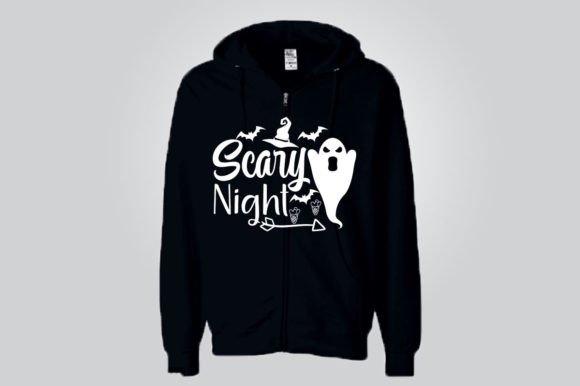
Scary Night, SVG
First Impressions: Moody, Playful, and Just Spooky Enough
When I opened Scary Night, SVG for the first time, I didn’t see a cliché Halloween graphic—I saw a design with quiet intention. It’s got that dusky, hand-drawn charm: a crescent moon, stylized bats mid-flight, maybe a sleepy owl or twisted tree branch depending on the version—and all held together with clean negative space and balanced weight. It doesn’t scream “scary.” It whispers “mysterious autumn evening.” That subtlety is exactly why it works so well for embroidery—not as a loud novelty, but as a thoughtful, repeatable motif for handmade products that need personality *and* wearability.
A Real Project Test: Embroidering a Linen Tote for a Local Bookstore Pop-Up
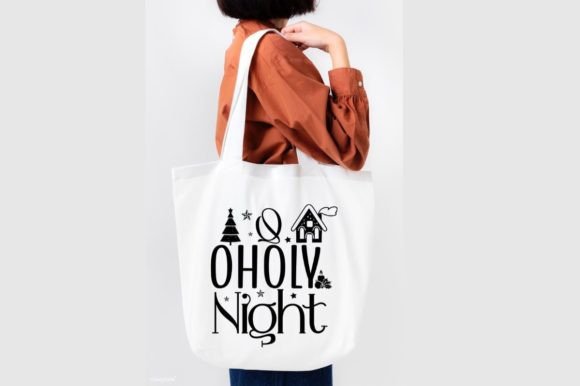
Last week, I used Scary Night, SVG to embroider a set of medium-weight linen tote bags for a neighborhood indie bookstore’s October event. The goal wasn’t costume-level spookiness—it was cozy, literary, slightly whimsical autumn energy. I chose a soft charcoal thread on oat-colored linen, hooped with medium-cutaway stabilizer. The result? Crisp satin-stitched bats with just enough texture to read clearly at arm’s length, and open areas where the fabric breathes—no heavy fill stitch bogging down the drape. Customers loved how it looked *handmade*, not mass-printed. That’s the quiet strength of Scary Night, SVG: it supports craftsmanship instead of competing with it.
Where It Shines in Real Embroidery Work
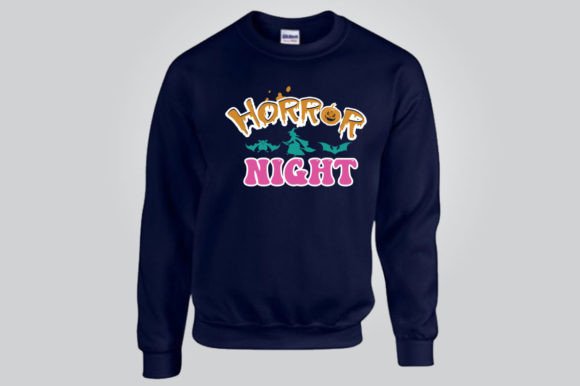
- Custom apparel: Works beautifully on sweatshirt sleeves, pocket placements, and chest logos—especially on textured fleece or French terry where bold shapes hold up.
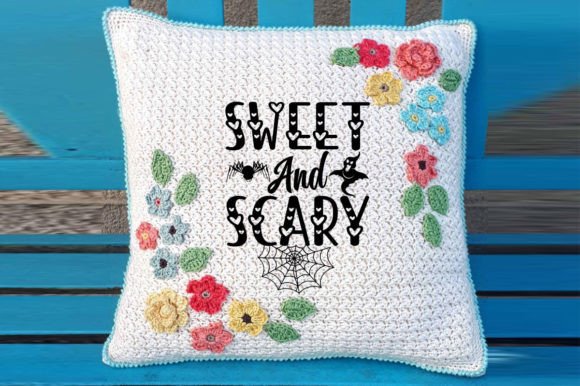
- Tote bag design & pillow covers: Its balanced proportions scale cleanly from 3” to 6”, and the minimal detail avoids stitch crowding on woven fabrics.
- Baby embroidery & nursery decor: Gentle enough for onesies or muslin blankets—no sharp edges or aggressive contrast that reads as “too much” for tiny items.
- Holiday embroidery & personalized gifts: Fits seamlessly into curated gift sets—think embroidered tea towels + matching oven mitts, or a patch sewn onto a denim jacket for a teen’s birthday.
- Craft business & Etsy seller use: Stands out in digital embroidery file listings because it feels cohesive, intentional, and brand-ready—not generic clipart dressed up as “design.”
Where to Proceed Thoughtfully
Scary Night, SVG isn’t built for ultra-fine detail or micro-embroidery. If you’re planning to stitch it on:
- Thin or stretchy fabric (like lightweight jersey): Add tear-away + cutaway combo stabilizer—those open bat wings can flutter without proper support.
- Curved surfaces (caps, beanies): Test hoop placement carefully—the design’s horizontal flow works best on flat or gently rounded panels, not steep crown curves.
- Dark fabric: Avoid light thread unless you’re using high-sheen rayon or metallics; matte cotton can disappear. A rich navy or forest green thread pops with more authority.
- Frequent-wash items (baby clothes, kitchen towels): Confirm stitch density isn’t too sparse—running stitch outlines alone won’t hold up. Look for balanced satin + fill elements in your file preview.
What It Adds to Your Finished Product—Beyond the Stitch
This isn’t just about whether the bats look crisp. It’s about what Scary Night, SVG contributes to the *perception* of your work. On a boutique sweatshirt? It signals curation—not trend-chasing. On a handmade baby blanket? It adds gentle storytelling without overwhelming. For an Etsy seller listing digital embroidery files? It positions you as someone who selects assets with mood, scalability, and real-world stitch behavior in mind—not just visual appeal on screen.
Customers notice when a design feels considered. They feel it in the way the thread lies flat, how the motif complements the garment’s shape, and whether it still looks intentional after three washes. Scary Night, SVG supports all of that—if you treat it like a collaborator, not just a file to import.
Practical Embroidery Designer Notes Before You Stitch
- Always test Scary Night, SVG on scrap fabric first—especially if pairing with textured or dark materials.
- Check thread color contrast in natural light *and* under store lighting—some moody grays shift dramatically.
- Review stitch density: Does the fill stitch feel dense enough for outerwear but breathable enough for lightweight tees?
- Confirm hoop size compatibility—this design likely lives comfortably in a 4x4 or 5x7 hoop, but verify before digitizing or resizing.
- Inspect small details (bat wing tips, moon curve) at 200% zoom—they should translate cleanly to satin or fill stitch, not collapse into running stitch noise.
- Test black-and-white mockups: Does it retain its character in monochrome? (Spoiler: It does—great for minimalist branding.)
- Compare light vs. dark fabric backgrounds in your design software—some versions of this file may include optional shadow layers or outline variants.
- Use appropriate stabilizer: Medium cutaway for knits, tear-away for stable wovens, and avoid iron-on-only for anything meant to last.
- Verify licensing before selling finished embroidered items or reselling the digital embroidery file—this is a Graphics product intended for T-Shirt Designs, but commercial use terms must be confirmed directly with the source.
Final Thought: A Design That Respects the Craft
Scary Night, SVG doesn’t try to do everything. It doesn’t cram in stars, pumpkins, and cobwebs. It holds space—visually and emotionally—for the maker’s voice to come through. Whether you’re stitching a single custom apron for a baker friend or building a seasonal collection for your small shop, it gives you room to choose thread, fabric, and placement with confidence. That’s rare. And that’s why it earns a permanent spot in my working library of reliable, real-project-ready embroidery files.