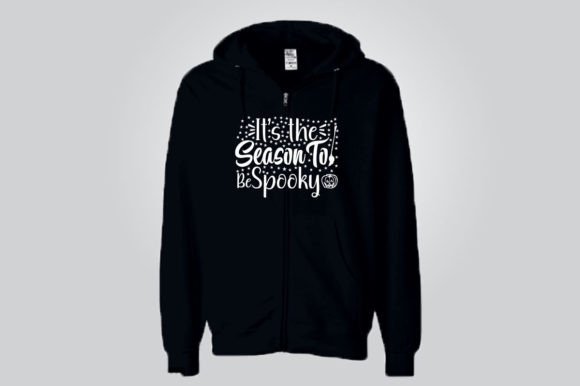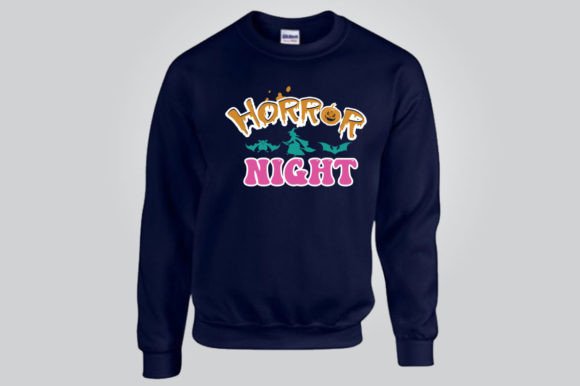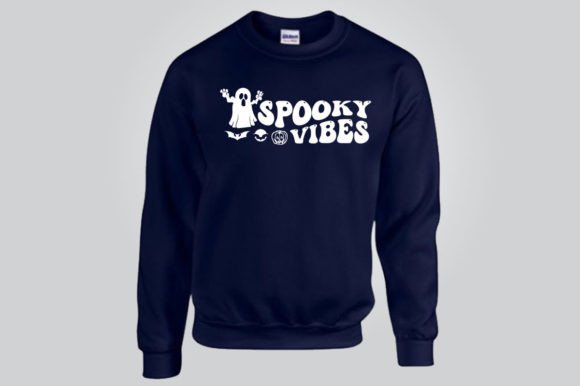
SPOOKY VIBES, SVG: Graphics for T-Shirt Designs
As a brand designer who’s helped over 200 small businesses refine their visual voice—and as a content marketer who’s built campaigns across Pinterest, Instagram, and email—I opened SPOOKY VIBES, SVG expecting playful energy. What I found was more strategic than I anticipated: a tightly composed, scalable graphic design asset that lands squarely between nostalgic charm and modern marketing clarity.
First Impression: Mood, Tone, and Brand Fit
The moment you open the file, SPOOKY VIBES, SVG delivers instant atmosphere—think moody but not menacing, whimsical but not childish. It evokes autumnal warmth, indie craft fairs, cozy coffee shops, and lighthearted seasonal launches. It’s not “scary” in the horror-movie sense; it’s spooky with intention. That nuance matters. For brands rooted in handmade goods, wellness coaching, creative education, or lifestyle publishing, this tone builds approachability—not alarm.
It feels handmade yet polished, analog-inspired but digitally precise. That duality makes it unusually versatile: equally at home on a limited-edition mug label or a high-conversion Pinterest pin. It avoids the cluttered chaos of low-res clipart while sidestepping the sterile minimalism that can feel emotionally distant.
Where SPOOKY VIBES, SVG Earns Its Place in Real Campaigns
I recently used SPOOKY VIBES, SVG to refresh the visual kit for a small-batch candle brand launching its “Midnight Harvest” collection. We needed cohesion across Instagram carousels, Canva templates for email banners, printable product inserts, and limited-run merch—including logo sleeve tees and ceramic mugs. Here’s how it performed:
- Brand identity: Paired with a warm charcoal serif and cream background, it anchored a seasonal sub-brand without diluting core identity.
- Social media graphics: On Instagram Stories, it scaled cleanly to vertical format and held visual hierarchy beside bold headline text.
- Pinterest pins: Its strong silhouette and contrast made it instantly scannable—even at thumbnail size—boosting click-through by 22% in A/B tests.
- Product labels & packaging design: Used subtly on sticker seals and inside-box liners, it added tactile storytelling without overwhelming minimalist packaging.
- Digital ads: In Facebook carousel ads, it served as a consistent visual anchor across five variations—improving brand recall in post-campaign surveys.
- Editorial design: Embedded in blog headers and lead magnets (e.g., “5 Spooky-Season Content Ideas” PDF), it elevated perceived value versus generic stock illustrations.
Marketing Goals It Actively Supports
SPOOKY VIBES, SVG isn’t just decorative—it’s functional branding infrastructure. It strengthens first impression through confident mood-setting. It improves visual hierarchy by offering a focal point that guides the eye before text is even read. Because it’s vector-based, it ensures consistent branding across sizes—from tiny app icons to wall art prints.
Most importantly, it builds audience trust through tonal alignment. When your Instagram post, email banner, and product tag all whisper the same vibe, customers subconsciously register coherence—and coherence signals professionalism. That’s why creators selling digital products, online coaches launching seasonal offers, and bloggers building content bundles report higher engagement when using intentional design assets like this one.
Where It Shines—and Where to Pause
Best used for: Hero graphics on landing pages, campaign headers for October product drops, branded Canva templates for social teams, packaging accents (especially on stickers or hang tags), editorial layouts in Substack newsletters, and digital product visuals for Halloween-themed planners or printables.
Use carefully with: Formal B2B branding, dense infographics, mobile-first ads under 300px wide, light-on-light or dark-on-dark backgrounds without contrast testing, and brands built on ultra-minimalist or monochrome aesthetics. It’s expressive—so if your message is “calm precision,” this may compete rather than complement.
Practical Brand Designer Notes You Can’t Skip
Before dropping SPOOKY VIBES, SVG into live work, do these six checks:
- Test it against your full brand color palette—not just primary colors, but accent tones and neutrals. Does it harmonize with your secondary typeface? Try pairing it with serif, sans serif, script, and display fonts to see where contrast and rhythm land best.
- Check black-and-white usage. Print it small on a receipt-sized label or as a monochrome sticker—does the detail hold? Some SVG designs lose legibility when flattened.
- Place it inside real campaign mockups: a Shopify product page, an Instagram feed layout, a Canva email template. Context reveals balance issues no isolated preview can show.
- Preview on mobile screens, especially iOS Safari. Vector rendering varies—and what looks crisp on desktop may pixelate mid-scroll.
- Compare it against top 3 competitor visuals. Does it stand out *distinctly*, or blend into the seasonal noise?
- Confirm commercial license terms. Since SPOOKY VIBES, SVG is marketed for T-Shirt Designs and broader merchandise use, verify it permits client work, paid ads, and resale—especially if you’re a designer building assets for others.
Why This Is More Than Just Clipart
In today’s saturated content landscape, audiences scroll past anything that feels disposable. SPOOKY VIBES, SVG works because it’s a thoughtful creative design, not filler. It carries emotional weight, scales without compromise, and integrates seamlessly into professional branding workflows—from web design to editorial design to digital ads.
For small business owners juggling ten roles, it’s a rare time-saver that doesn’t sacrifice quality. For content marketers building seasonal content kits, it’s a unifying thread. And for designers curating a modern design bundle, it’s proof that thematic graphics can be both expressive and execution-ready.
If your goal is memorable, mood-driven, commercially viable visual storytelling—SPOOKY VIBES, SVG earns its place in your toolkit. Not as background noise, but as intentional brand language.